CloudZenia Logo

AWS Cloud Migration

Simplify, Scale, and Shine with an AWS Cloud Migration.
Test Hero Image

What is AWS Cloud Migration ?

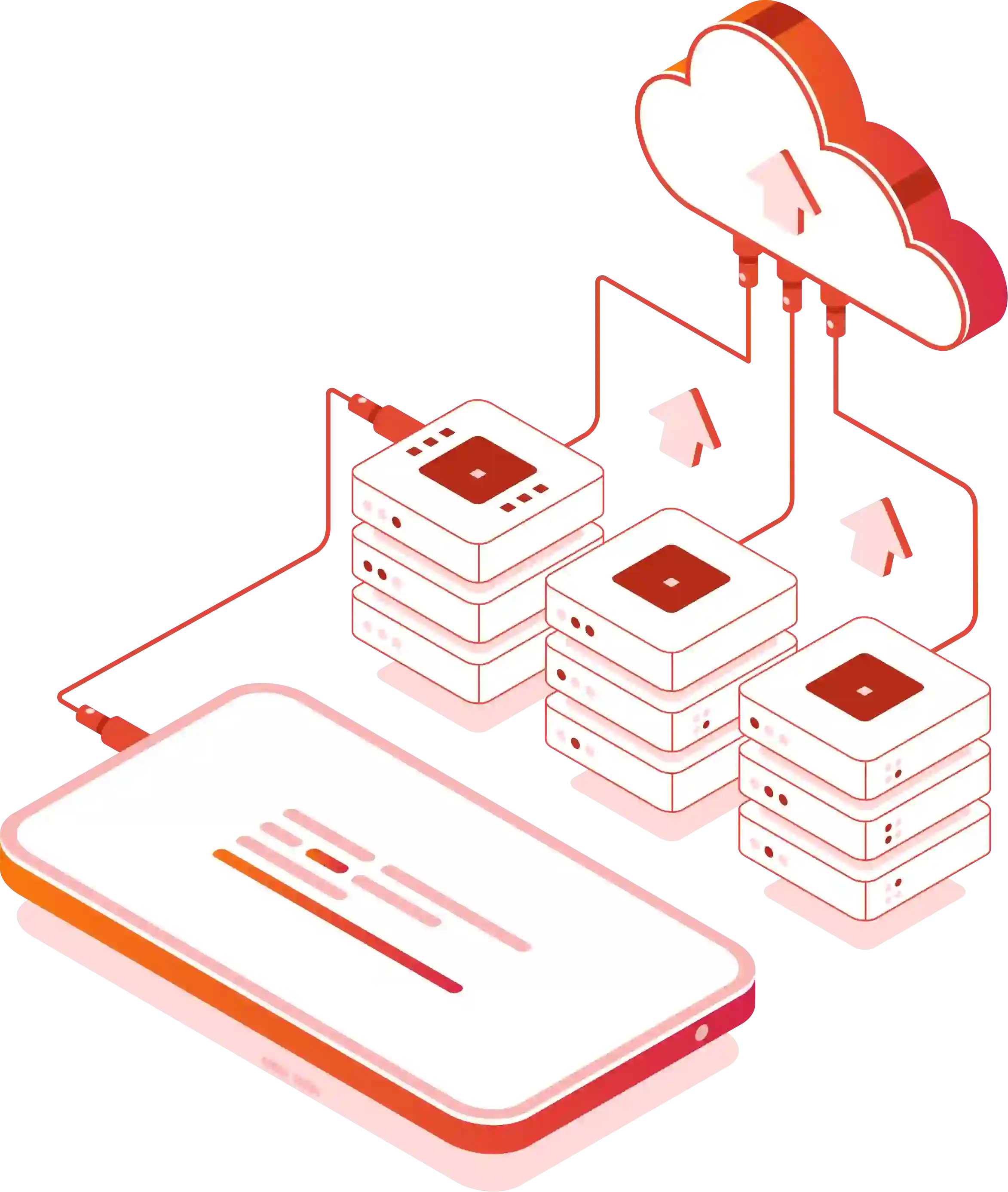
AWS Cloud Migration involves transferring a company's Server, Data, Applications, Databases, and Digital Assets to AWS, either fully or partially, to leverage AWS robust cloud infrastructure and services.

Why Do You Need It ?

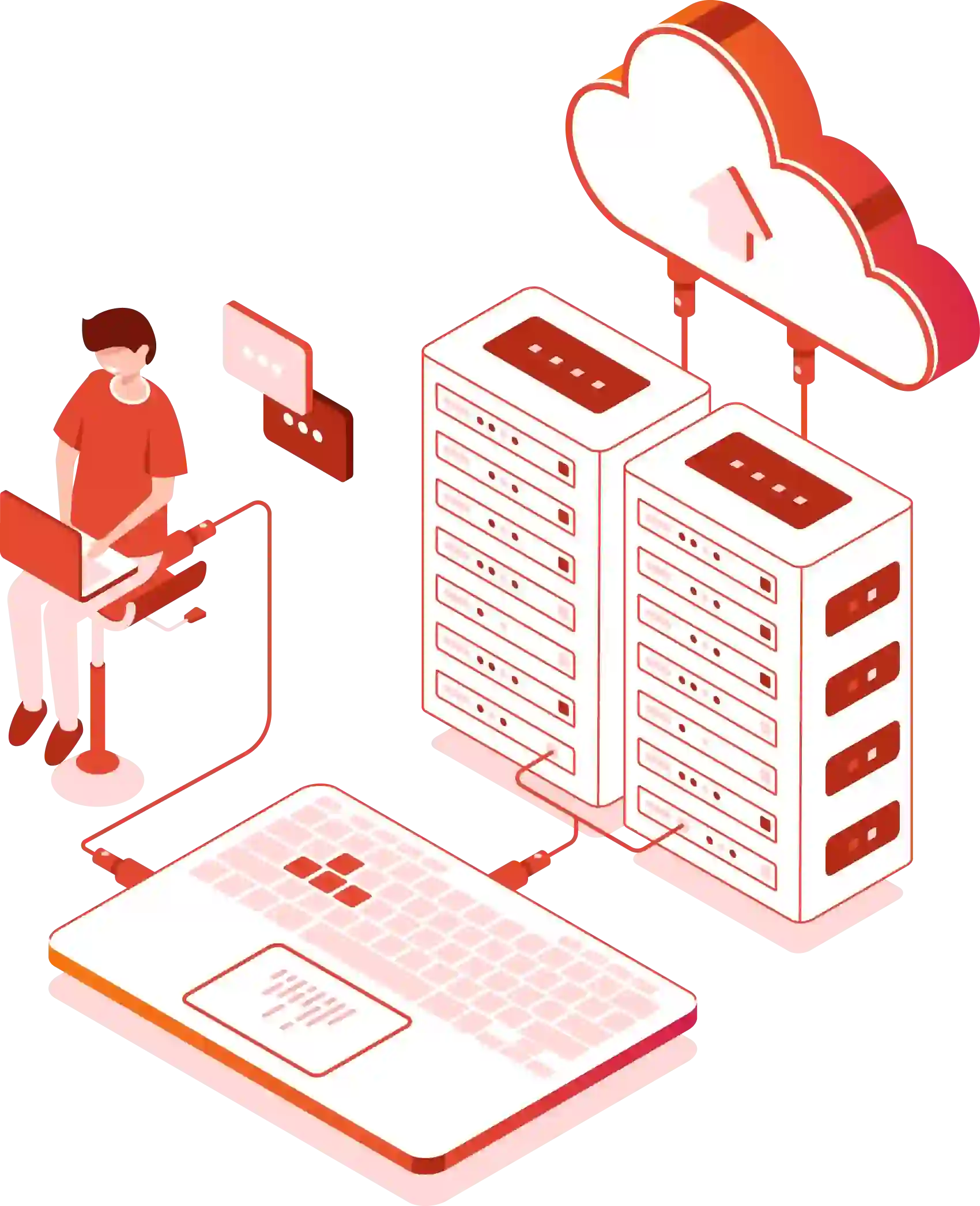
AWS cloud migration is the planned move of what you already run - Servers, Apps, Databases, Files, and background jobs from your data center or another cloud into AWS.

Move to AWS to Go faster, Spend Smarter, and Sleep Better. You replace fixed hardware and slow releases with an elastic, pay-as-you-go platform that’s Secure By Design, highly available, and ready for modern apps. For the business, It brings quicker feature launches, predictable costs, and instant global reach; For engineering, it brings right-sized compute, strong guardrails, resilient patterns, IaC + CI/CD, rich observability, and FinOps controls.
Image

Key Benefits of Migrating to AWS

Go faster, spend smarter, and build on a secure, elastic platform without the capacity issue or prior investment.
Ship Faster

Ship Faster

Launch features sooner with managed services and automation.

Outcome: Shorter release cycles, fewer freezes.

Spend Smarter (FinOps)

Spend Smarter (FinOps)

Pay only for what you use; rightsize and auto-scale.

Outcome: 20–30% cost efficiency vs. legacy baselines.

Elastic at Any Scale

Elastic at Any Scale

Scale up for spikes and down for quiet periods—automatically.

Outcome: Peak-ready CX, no capacity drama.
Security by Design

Security by Design

Encryption, IAM guardrails, and continuous threat detection.

Outcome: Reduced risk, audit-ready posture.

Resilience & DR

Resilience & DR

Multi-AZ, backups, and tested recovery runbooks.

Outcome: Higher uptime, defined RPO/RTO.
Modernize as You Move

Modernize as You Move

Adopt containers/serverless and managed databases.

Outcome: Better performance, fewer ops chores.

Global in Minutes

Global in Minutes

Regions + edge (CloudFront) for low-latency experiences.

Outcome: New markets, faster pages.

Observability & Automation

Observability & Automation

CloudWatch, X-Ray, OpenTelemetry, IaC, CI/CD.

Outcome: Faster RCA, consistent deploys.

Data & AI Ready

Data & AI Ready

S3 data lake, Athena/Redshift, add AI when ready.

Outcome: Analytics today, AI tomorrow.

Program & Support

Program & Support

Credit/funding (eligiblity) & MAP aligned delivery.

Outcome: Lower risk, earlier ROI.

25–40%

Infra cost after rightsizing + SPRI

2–5x

Release frequency with CI/CD + managed

Minutes

To scale during peaks (vs. weeks)

99.9%

Availability with Multi-AZ & DR

The 4-Phase AWS Cloud Migration Framework

PHASE 1

Assess & Plan

In this phase, we take a detailed, outcome-focused view of your current environment including applications, databases, dependencies, and business objectives. Our goal is to gain a deep understanding of your workloads, align them with the AWS Migration Acceleration Program framework, and determine the optimal migration pathway using the 7R methodology.

We start by compiling a complete picture of your existing landscape: infrastructure and application inventories, performance baselines, SLAs, and compliance obligations such as PII, PHI, or PCI. We also capture disaster recovery objectives (RTO/RPO), licensing details, and renewal schedules to ensure every operational component is accounted for before the migration journey begins.

To make it simple, Assess & Plan phase is divided into 4 smaller parts:

01

Inputs : What we gather to understand your environment

  • Comprehensive inventory of your infrastructure and applications, including current performance baselines and existing SLAs.
  • Review of compliance obligations (PII, PHI, PCI) and disaster recovery targets such as RTO and RPO.
  • Assessment of active licenses, software contracts, and renewal timelines to plan dependency management and cost optimization.
02

Activities : What we do to plan your migration journey

  • Conduct in-depth discovery and dependency mapping across applications, databases, and data flows.
  • Evaluate every workload using the 7R framework Rehost, Replatform, Refactor, Relocate, Relicense, Retain, or Retire to determine the most efficient migration path.
  • Build TCO and ROI models supported by right-sizing analysis, seasonal workload variances, and usage trends.
  • Develop a detailed risk register along with a defined cutover approach (blue/green, canary, or scheduled) and clear rollback procedures.
03

Quality Gates : How we validate decisions and minimize risks

  • Formalize and approve 7R decisions, documented within a signed migration wave plan.
  • Review the business case, aligning cost bands and value levers with financial and strategic goals.
  • Establish Go/No-Go criteria for each cutover wave to ensure readiness and stakeholder alignment before execution.
04

Deliverables : What you get

  • A complete migration roadmap and wave execution plan aligned to business priorities.
  • Detailed cost and TCO analysis with ROI projections across migration stages.
  • A maintained risk register and executable cutover playbook for consistent, low-risk delivery.

PHASE 2

Build the Foundation

In this phase, we design and establish the foundational AWS environment where workloads will be deployed. The focus is on building a secure, scalable, and well-governed landing zone with the right network, identity, security, and automation components in place.

We architect the core infrastructure configuring accounts, networking, security guardrails, and observability frameworks so that your environment is both migration-ready and aligned with AWS best practices.

To simplify execution, the Build the Foundation phase is divided into four parts:

01

Inputs : What we gather to design your AWS environment

  • Organizational structure and identity provider setup to define authentication and access boundaries.
  • Network topology and connectivity model, including on-premises links via VPN or Direct Connect.
  • Security and compliance control requirements, audit logging, and retention needs.
  • Naming conventions, tagging standards, and account management strategy to ensure operational consistency.
02

Activities : What we do to build your landing zone

  • Configure AWS Organizations, SSO integration, and account vending aligned with the organizational hierarchy.
  • Set up environment-specific VPCs (Dev, Stage, Prod) with private subnets, NAT gateways, VPC endpoints, and optional Transit Gateway for interconnectivity.
  • Implement governance and security guardrails using IAM least-privilege principles, SCPs, KMS encryption, CloudTrail, Config, GuardDuty, Inspector, and AWS WAF.
  • Establish observability and cost management frameworks with CloudWatch, centralized log aggregation, AWS Budgets, Anomaly Detection, and cost allocation tagging.
  • Automate repeatable environment builds through Infrastructure-as-Code (IaC) pipelines using Terraform or CloudFormation.
03

Quality Gates : How we validate the foundation setup

  • All guardrails are enabled, and security logging is verified end-to-end.
  • Network paths are tested for connectivity between on-premises and AWS environments via VPN or Direct Connect.
  • Account vending and IaC pipeline deployments are successfully executed and validated for readiness.
04

Deliverables : What you get

  • A production-ready AWS Landing Zone with fully configured guardrails and governance.
  • Established networking and identity baselines aligned with best practices.
  • Activated logging, monitoring, and cost control mechanisms for transparency and accountability.

PHASE 3

Migrate & Validate

In this phase, we focus on moving your workloads to AWS step by step. We make sure everything works well and meets your expectations for performance. We also improve your systems using AWS tools to make them more scalable and reliable. The migration follows a clear plan, with careful testing at each stage to keep your business running smoothly and to get the best results.

To keep things organized, the Migrate & Validate phase is divided into four main parts:

01

Inputs : What we gather to Perform the migration

  • Approved migration wave plan detailing cutover timelines and scheduling windows.
  • Comprehensive test scripts and acceptance criteria to ensure migrated workloads meet operational and business requirements.
  • Data classification and disaster recovery (DR) objectives, aligning migration methods with compliance and continuity needs.
02

Activities : What we do to migrate

  • Execute workload migrations in waves, prioritizing low-risk applications to minimize disruption and build momentum.
  • Use tools like AWS Server Migration Service, Veeam for block level replication.
  • Test and cut over servers, while also checking that performance, security, and disaster recovery plans are working correctly.
  • Migrate databases leveraging services like AWS DMS for real time database replication and cut-over.
  • Transfer large data volumes using AWS DataSync or S3 Transfer Acceleration if needed.
  • Perform thorough mock migration, go-live validations, and deploy using blue/green or canary strategies, always with rollback paths in place for risk mitigation.
03

Quality Gates : How we ensure successful migration

  • Achieve formal sign-off through functional and user acceptance testing (UAT), confirming performance and operational targets.
  • Validate security posture with clean scan results and effective backup/restore workflows.
  • Confirm disaster recovery tests achieve defined RTO/RPO targets, ensuring business continuity.
04

Deliverables : What you get

  • Successfully migrated, production-ready workloads operating on AWS.
  • Validated cutover runbooks and comprehensive post-cutover checklists for governance.
  • Reviewed backup, DR, and access controls, enhancing resilience and security across the environment.

PHASE 4

Optimize & Modernize

This phase focuses on continuously improving your AWS environment after migration. We work on governance, cost management, monitoring, and automation to maximize performance and control expenses.

The goal is to keep workloads running efficiently while modernizing architecture and using AWS native services to drive innovation.

To make it clear, the Optimize & Modernize phase is split into four parts:

01

Inputs : What we use to guide optimization

  • Data on cloud costs and system performance, including error budgets and service level objectives.
  • Priorities for modernization such as speed, reliability, and using data or AI capabilities.
02

Activities : What we do to optimize and modernize

  • Apply Best practices like right-sizing resources, enabling autoscaling, using cost-saving options like Graviton processors, Savings Plans, and lifecycle management for storage.
  • Upgrade architecture by adopting containers (ECS/EKS), serverless computing (Lambda), and managed databases (Aurora, DynamoDB).
  • Improve platform engineering with continuous integration/delivery pipelines (CodePipeline, GitHub Actions), large-scale infrastructure as code, reusable modules, and policy-as-code for governance.
  • Enable analytics and AI by building data lakes on S3 and using Glue, Athena, Redshift to prepare foundations for machine learning and AI projects.
03

Quality Gates : How we measure success

  • Trends show lowering cost per unit of work.
  • Improved reliability with SLOs met and reduced manual operational effort.
  • Security posture remains strong or improves.
04

Deliverables : What you receive

  • Workloads optimized for cost and performance, with dashboards to track both.
  • A roadmap for cloud-native modernization efforts.
  • Automated monitoring and operational processes in place to sustain improvements.

AWS Cloud Migration Readiness Scorecard

A practical, R/A/G-driven checklist that totals readiness by section and auto-flags critical gaps—ideal for Wave-0/Pilot planning and exec reviews.

What's inside

  • Checklist with R/A/G status per item
  • Summary with per-section totals & 0–100 score
  • Critical Gaps auto-filter (Excel 365)
  • Instructions & scoring model

Perfect for

  • Wave-0/Pilot readiness gates
  • Board/exec sign-offs
  • Vendor/partner collaboration

Works best with Excel 365+ (uses FILTER on the Critical Gaps tab). All other tabs work in earlier Excel versions.

Ready to Dive into Your Cloud Journey?

CloudZenia can help you wherever you are in your cloud journey. We deliver high quality services at very affordable prices.